
‘Never Too Late to Pursue Your Dreams’: Inside Georgetown’s Fast-Track Accelerated Nursing Program
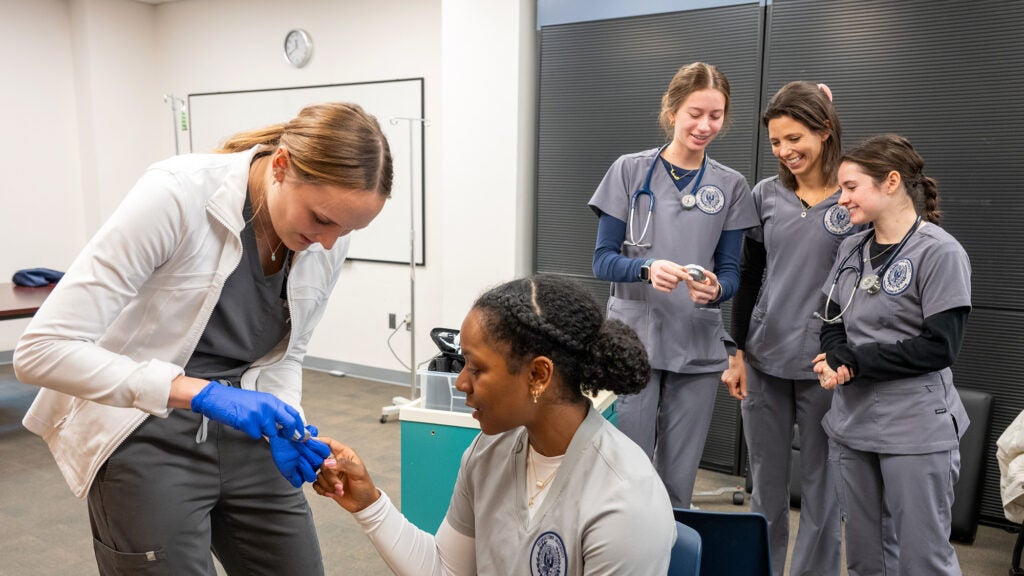
On-campus labs at the state-of-the-art O’Neill Family Foundation Clinical Simulation Center are an important part of the Accelerated Bachelor of Science in Nursing (ABSN) Program at the Berkley School of Nursing.
(September 3, 2026) — For many, healthcare is a calling, a purpose discovered only after walking down vastly different career paths. At Georgetown University’s Berkley School of Nursing, the Accelerated Bachelor of Science in Nursing (ABSN) Program offers a way for individuals to turn those past experiences into bedside expertise. Designed as a post-baccalaureate pathway to the nursing profession, the program enables career-changers to earn their degree and prepare for the NCLEX-RN exam in one year.
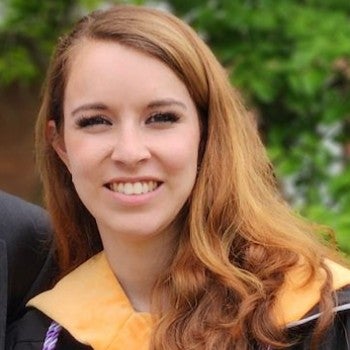
Amy Bronick, DNP, APRN, FNP-C
“Choosing to pursue nursing is not just a career change, it is a conscious choice to align one’s life purpose with clinical practice,” says Amy Bronick, DNP, APRN, FNP-C, assistant professor of nursing and program director of the ABSN program. “Our ABSN program bridges that gap through a fast-track core curriculum. Something that makes our program unique from others is that we focus on cura personalis, or care for the whole person. We prepare students to advocate for patients, address health inequities, and uphold ethical standards, reinforcing the importance of holistic care in every healthcare setting.”
With over 20 years of experience educating non-nursing degree-holders, Georgetown’s program, recognized as a Center of Excellence by the National League for Nursing, challenges students through a rigorous 45-hour weekly commitment. Students build core competency through 700+ hands-on hours split between on-campus labs at the state-of-the-art O’Neill Family Foundation Clinical Simulation Center and clinical rotations in major regional systems, including MedStar Georgetown University Hospital’s new Verstandig Pavilion.
From 911 Calls to Continuous Patient Care
For ABSN student Matthew Small (G’26), who graduates this December, the journey to Georgetown was shaped by years on the front lines of emergency response. His path to a career in nursing, however, began in 2012 after moving to Washington, D.C., to study political science at American University.
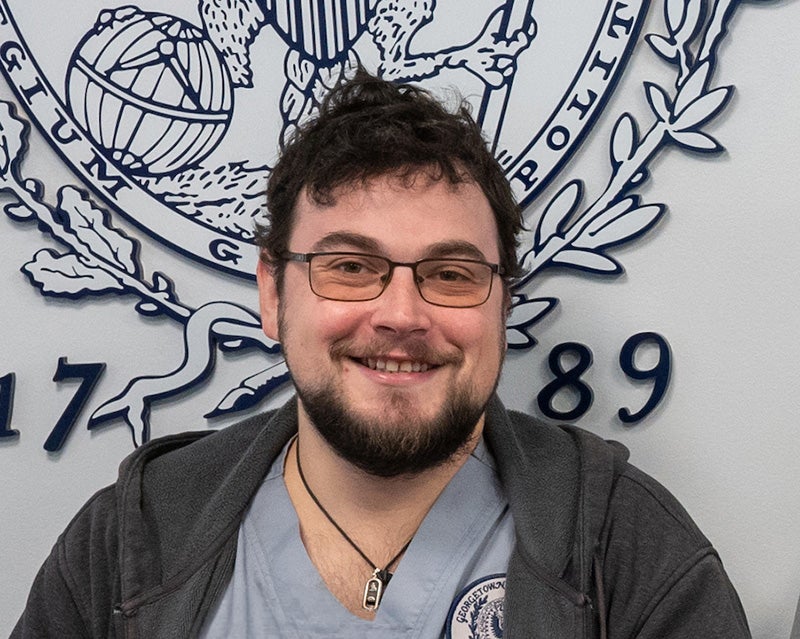
Matthew Small (G’26)
“I always wanted to help people as much as I could,” said Small. Realizing that politics was not going to be the fulfilling career he imagined, he pivoted to studying psychology. In 2021, he became an EMT in the D.C. area. “Working through COVID was a wild west situation; the lack of preparedness and resources was eye-opening. Seeing all of that pain and struggle was taxing,” said Small. “But I love emergency medicine. In the emergency department, anything can happen.”
After completing two years in a physician assistant program and working as a MRI/CT technologist assistant in his home state of New York, Small moved back to the area with his wife and decided to pursue a nursing degree at Georgetown.
“In college, I had a hard time engaging because of bad ADHD, but Georgetown’s environment kept me focused. The professors grip and keep your attention,” Small said.
The accelerated structure moves quickly, placing students on clinical floors during their first semester, a fast-paced transition Small found invaluable.
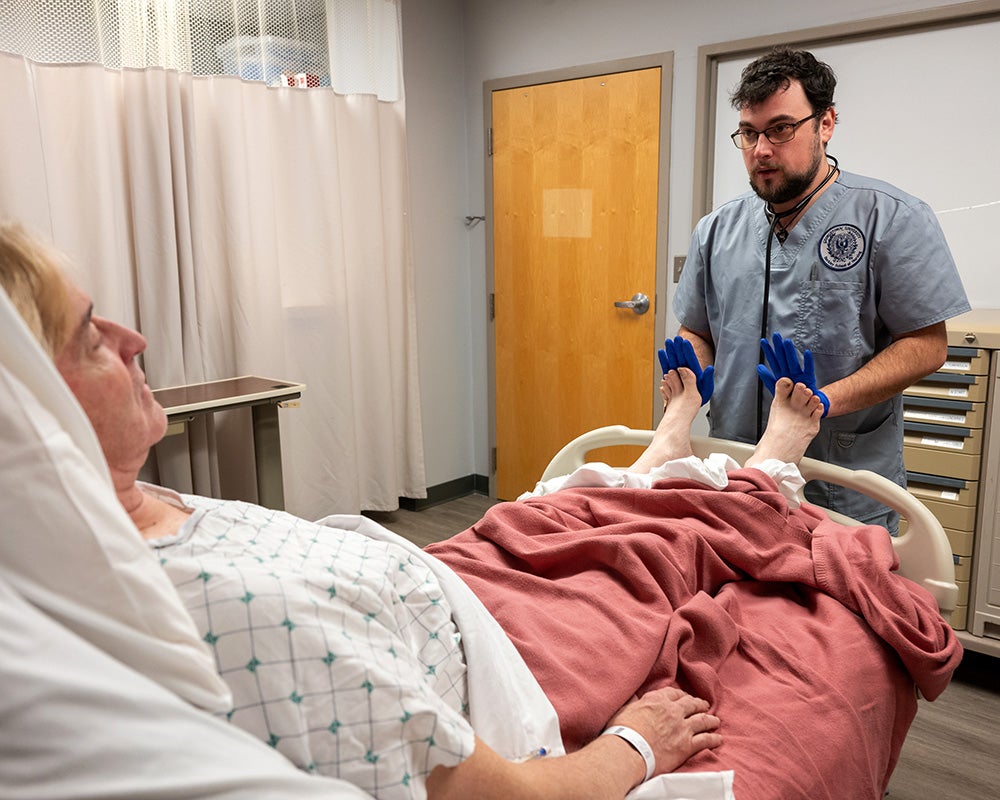
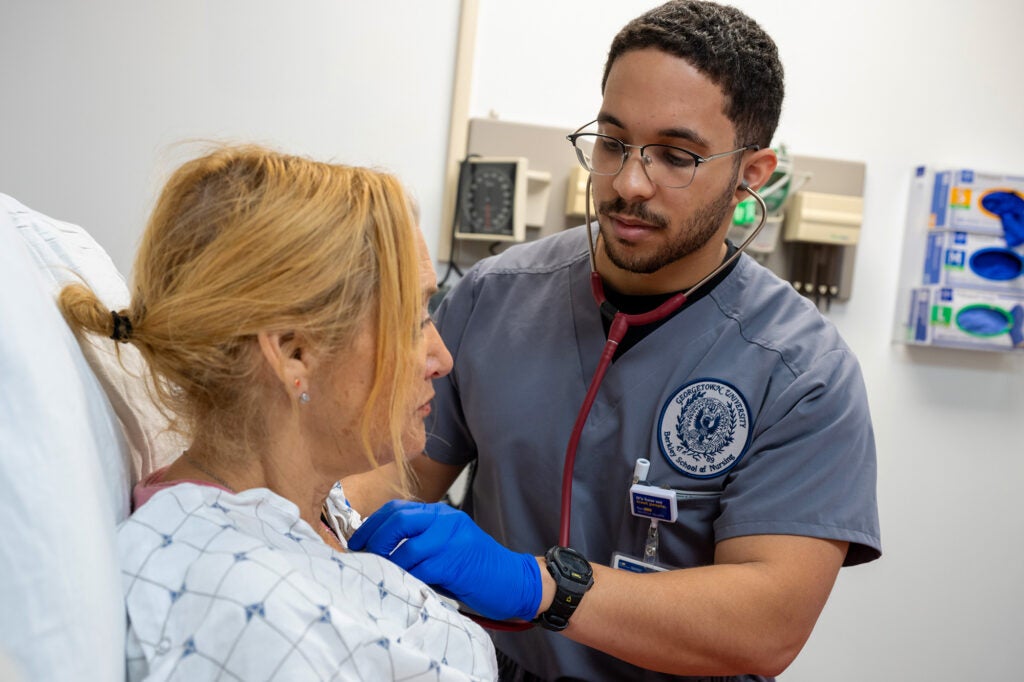
Small practiced clinical assessment skills with a standardized patient in the O’Neill Family Foundation Clinical Simulation Center.
“Going from classroom lectures straight to the floor within a month felt fast but also great because then every clinical session started to directly mirror what we had learned in class the day before,” Small said.
The rotations have also shifted his clinical outlook. “In EMS, the mindset is getting the patient to the hospital alive, dropping them off, and never knowing what happens,” said Small. “Being at the bedside, I’m looking forward to seeing care through to the end.”
Small plans on joining an emergency department as a registered nurse after finishing his studies.
Answering the Call
For classmate Emily Piccone (G’26), joining the ABSN cohort meant revisiting an ambition she thought she had left behind 15 years prior and confronting the academic hurdles that had once held her back.
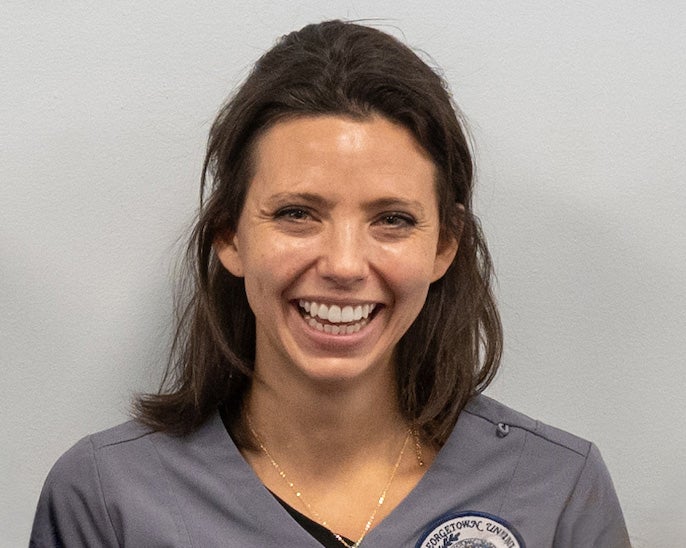
Emily Piccone (G’26)
Piccone began her undergraduate journey as a pre-med student, but after struggling in first-year chemistry, she lost confidence in her science abilities. She shifted focus, earning a bachelor’s degree in English followed by a master’s in public policy. Over the next decade and a half, while balancing life as a military spouse and mother of three, she taught strategic policy and intensive writing to midlevel Army officers.
“Four years ago, I had a lightbulb moment,” Piccone said. “I talked to friends who were nurses and realized this was my calling. What an honorable, selfless profession to meet people at their most vulnerable.”
Transitioning into the program required completing 10 foundational prerequisite courses, including core sciences like chemistry and anatomy that must be completed within five years of entry. Balancing those requirements with family life and overseas military moves demanded relentless discipline.
“It was intimidating to start coursework again after being out of school for more than a decade,” Piccone said. Over four years, she took her prerequisite classes one at a time through asynchronous online programs, often waking up early in the morning to finish coursework before her children woke up.
One of the courses Piccone had to conquer before entering the ABSN program was chemistry, the course that previously knocked her off her career path to medicine. “Taking that chemistry class again and getting an A was deeply vindicating for me,” she said.
When her family relocated to the D.C. area, Piccone chose Georgetown for its core values. “What appealed to me most was the pursuit of excellence and the commitment to cura personalis, taking care of the whole person.”
Now in the home stretch of her final semester, Piccone is completing her clinical hours, including rotations on a neonatal intensive care unit (NICU), a specialty path she initially did not plan to pursue.
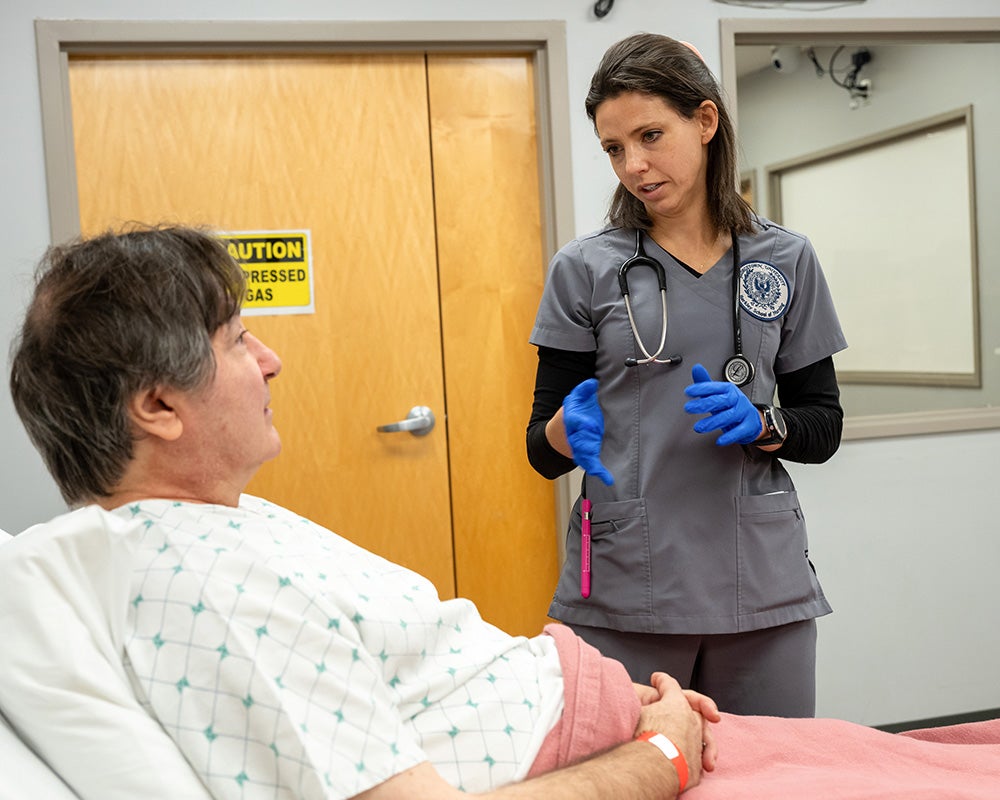
Piccone talked with a standardized patient before performing a physical exam in the O’Neill Family Foundation Clinical Simulation Center.
“I started the program convinced that I did not want to pursue pediatrics. I thought working with sick kids would be too hard,” Piccone said. “Then I had my first pediatric clinical at Children’s National and fell in love with it. I felt called to pediatric critical care. Working with these tiny patients in the NICU is intense, especially as a mom, but it’s work I’m drawn to.”
In addition to her clinical hours, Piccone and her cohort are preparing for the NCLEX-RN exam through exam prep curriculum integrated into their coursework, positioning her to sit for her board exams in early January 2027 before taking a well-deserved break with her family.
Looking ahead, Piccone plans to gain bedside experience in pediatric settings before pursuing graduate studies to become a family nurse practitioner serving rural areas.
“I grew up in Jacksonville, North Carolina, and saw firsthand the health disparities affecting rural communities,” Piccone said. “My ultimate goal is to return to the rural South and provide primary care where access is limited.”
Reflecting on her return to higher education, Piccone emphasizes that nontraditional backgrounds belong in clinical care. “It was a four-year prerequisite journey and a big leap of faith to switch careers, but if you set your mind to something, you can do it.
“It is never too late to pursue your dreams.”
Heather Wilpone-Welborn
GUMC Communications
Program Admissions & Deadlines
Georgetown University is currently receiving applications for upcoming ABSN cohorts.
Prospective students holding a bachelor’s degree in any field who have completed the necessary prerequisites may apply through the Office of Graduate Studies on behalf of the Berkley School of Nursing:
- January 2027 Cohort Application Deadline: October 15, 2026
- May 2027 Cohort Application Deadline: March 1, 2027